
Why Child Nutrition Matters for Learning
Education3 min read
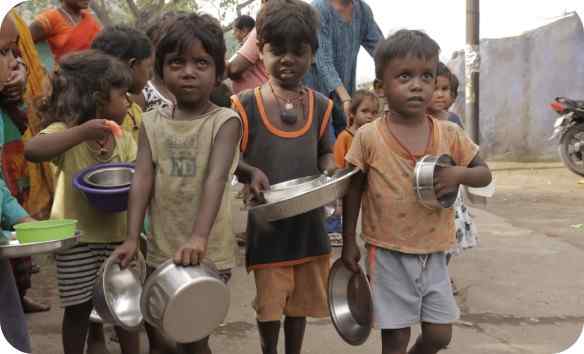
A child cannot focus on a lesson when they are hungry.
For many children, going to school is not only about education. It is also about getting through the day without having to worry about where their next meal will come from. When a child does not get enough nutritious food, it can affect their energy, concentration, participation and ability to learn.
Sometimes, hunger can even affect a child's willingness to go to school. When a child knows they will spend several hours in a classroom on an empty stomach, school may not feel like a place they want to go to. When basic needs are not met, it becomes harder for children to feel motivated to attend regularly and engage with their education.
Hunger can make learning difficult
Imagine sitting in a classroom for several hours while feeling hungry. It becomes difficult to concentrate on a teacher, remember what was taught or take part in activities.
For children, this can have a much bigger impact. Poor nutrition can affect physical growth as well as cognitive development. Children who regularly miss nutritious meals may feel tired, distracted or less active in the classroom.
This is why addressing hunger is also an important part of supporting education.
Nutrition is more than just filling a stomach
A child's meal needs to provide more than just calories. Growing children need a balanced diet containing proteins, vitamins, minerals, carbohydrates and other essential nutrients.
Simple foods such as vegetables, pulses, eggs, milk, fruits, grains and other locally available nutritious foods can contribute to a child's growth and development.
For families facing financial difficulties, however, maintaining a nutritious diet every day can be challenging. This is where community support can make a difference.
Keeping children healthy helps keep them in school
Nutrition can influence a child's ability to attend and remain engaged in school. When children are frequently hungry, unwell, weak or lacking energy, regular attendance and participation can become difficult.
Supporting nutrition therefore goes hand in hand with supporting education. A child who has access to regular, nutritious meals has a stronger foundation to learn, grow and participate in school life.
NCF's role
At Nand Care Foundation (NCF), we believe that supporting children means looking beyond the classroom.
Our work with underserved communities focuses on addressing basic needs that can affect a child's everyday life, including access to food and education. Through our food and community initiatives, we try to support families and children with nutritious food and regular meals.
NCF also works to encourage children to continue their education and have access to opportunities that can shape their future.
Because education cannot happen in isolation. A child needs food, health, safety, support and a positive environment to learn and grow.
Every meal can support a child's journey
A nutritious meal may seem like a small thing, but for a child, it can mean having the energy to sit through a class, participate in an activity, understand a lesson and go home ready for another day.
When we address hunger, we are not just putting food on a plate. We are helping create the conditions in which children can learn, grow and build a better future.
A child should not have to choose between learning and hunger.